May 12, 2026
When the sweltering heat of summer arrives, a home's cooling system becomes its most vital asset. For many homeowners, the focus is often placed on the brand or the energy rating of the unit itself. However, the hardware is only half of the equation. The process of air conditioning installation is the critical bridge between a high-tech machine and a functional, cool living space. A poorly installed unit, regardless of its price tag, will never reach its peak potential, leading to a cascade of mechanical and financial issues.
Modern HVAC systems are complex pieces of engineering that require precise calibration. They are not appliances that can simply be plugged in and forgotten; instead, they must be integrated into the home's existing electrical grid, ductwork, and drainage systems. This complexity underscores why professional expertise is non-negotiable. While the technology behind cooling has advanced significantly, the physics of airflow and heat exchange remain constant, requiring a meticulous hand during the initial setup to ensure the investment is realized.
In this article, we will discuss the technical necessity of professional setup, the long-term financial benefits of proper placement, and why the quality of your air conditioning installation determines the true lifespan of your equipment.
Optimizing Energy Efficiency Through Precise Calibration
The most immediate benefit of a high-quality setup is energy efficiency. When a unit is installed correctly, it operates within the specific parameters intended by the manufacturer. This means the refrigerant charge is exact, the airflow is unobstructed, and the thermostat is communicating perfectly with the condenser. Even a slight deviation in refrigerant levels, often caused by a rushed or amateur installation, can force the compressor to work harder, spiking your monthly utility bills.
Efficiency is not just about saving money; it is about reducing the strain on the electrical grid and the environment. A system that is calibrated correctly cycles on and off at the appropriate intervals, maintaining a steady temperature without the "yo-yo" effect of frequent starts and stops. Professional installers use specialized tools to measure static pressure and subcooling, ensuring that the system isn't just running, but running at its absolute highest efficiency rating.
Ensuring System Longevity With Professional Placement
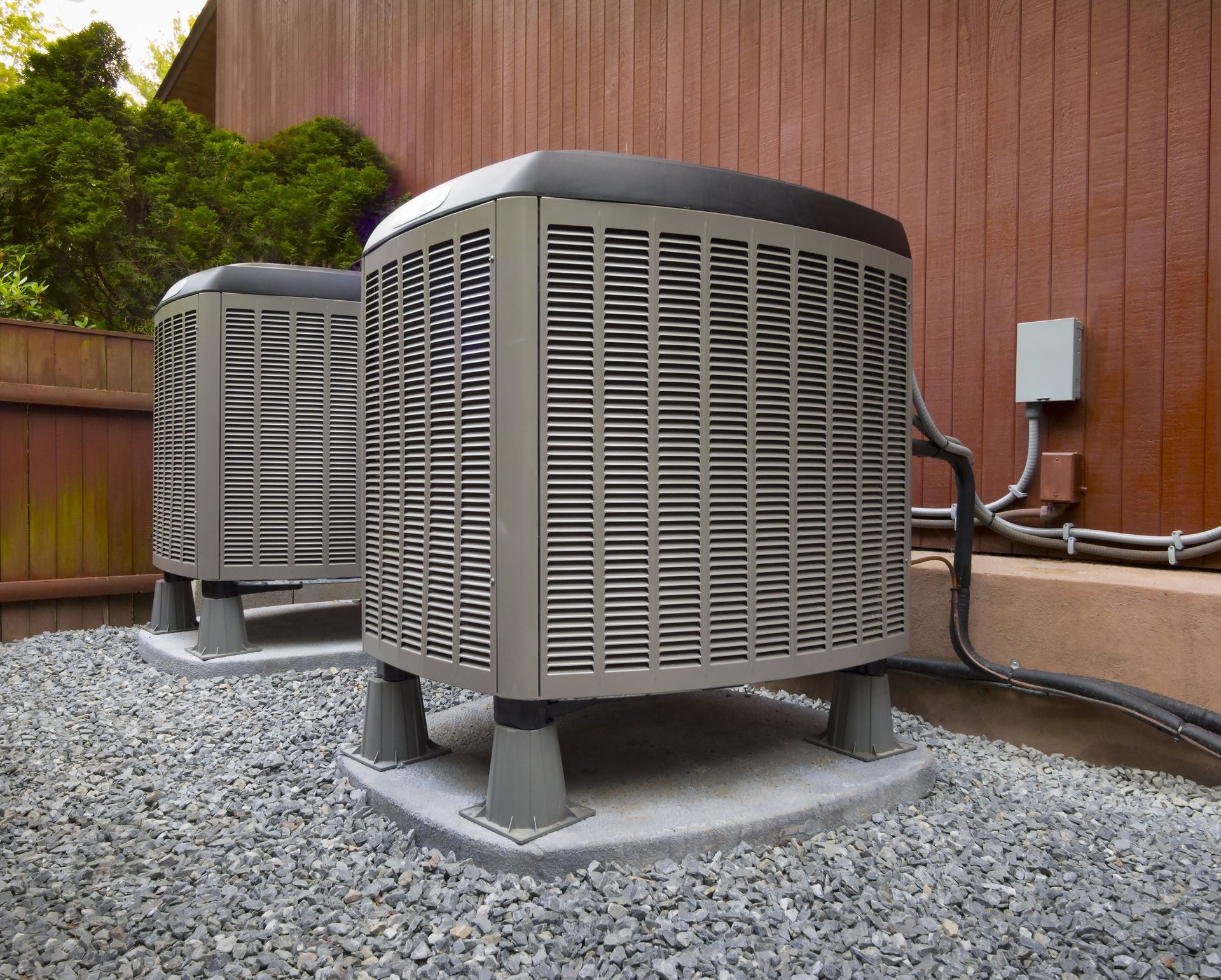
A cooling system is a significant financial investment, and every homeowner wants that investment to last as long as possible. The primary cause of premature system failure is not a manufacturing defect, but rather a botched air conditioning installation. When a unit is improperly leveled or placed in an area with poor drainage, it creates mechanical stress that accumulates over time. For example, a condenser that is not level will experience uneven wear on its internal bearings, leading to a catastrophic burnout years before its time.
Beyond the outdoor unit, the indoor components must be handled with care. Proper sealing of the plenum and the evaporator coil prevents dust and debris from bypassing the filter and clogging the delicate fins of the coil. By ensuring every connection is airtight and every component is positioned for optimal heat exchange, professional installers protect the internal machinery from the friction and heat that lead to expensive repairs.
Maximizing Indoor Air Quality and Humidity Control
The role of a cooling system extends beyond merely lowering the temperature; it is also the primary method for controlling indoor humidity and air quality. During a proper air conditioning installation, technicians ensure that the condensate drainage system is pitched correctly to whisk away the gallons of water pulled from the air each day. If this system is installed incorrectly, moisture can back up into the home, leading to mold growth and compromised air quality.
Furthermore, a quality installation involves a thorough inspection of the ductwork. Leaky ducts can pull in unconditioned air from attics or crawlspaces, introducing allergens and dust into the living areas. By sealing these leaks and ensuring the system is properly sized for the home's volume, installers create an environment where the air is not just cold, but clean and crisp. This is essential for families with respiratory issues or allergies who rely on their HVAC system to act as a whole-home air purifier.
Avoiding the Pitfalls of Incorrect Equipment Sizing
One of the most common mistakes in the industry is installing a unit that is either too large or too small for the space. Amateur installers often rely on "rule of thumb" measurements, but professionals perform a Manual J Load Calculation. This calculation considers the home's square footage, insulation levels, window orientation, and even the number of occupants.
If an air conditioning installation involves a unit that is too powerful, it will short-cycle, turning off before it has the chance to dehumidify the air. If it is too small, it will run constantly, failing to reach the target temperature while burning out the motor. Getting the size right from day one is the only way to ensure the system provides the comfort it was designed for without wasting energy or failing prematurely.
Enhancing Safety Through Expert Electrical Integration
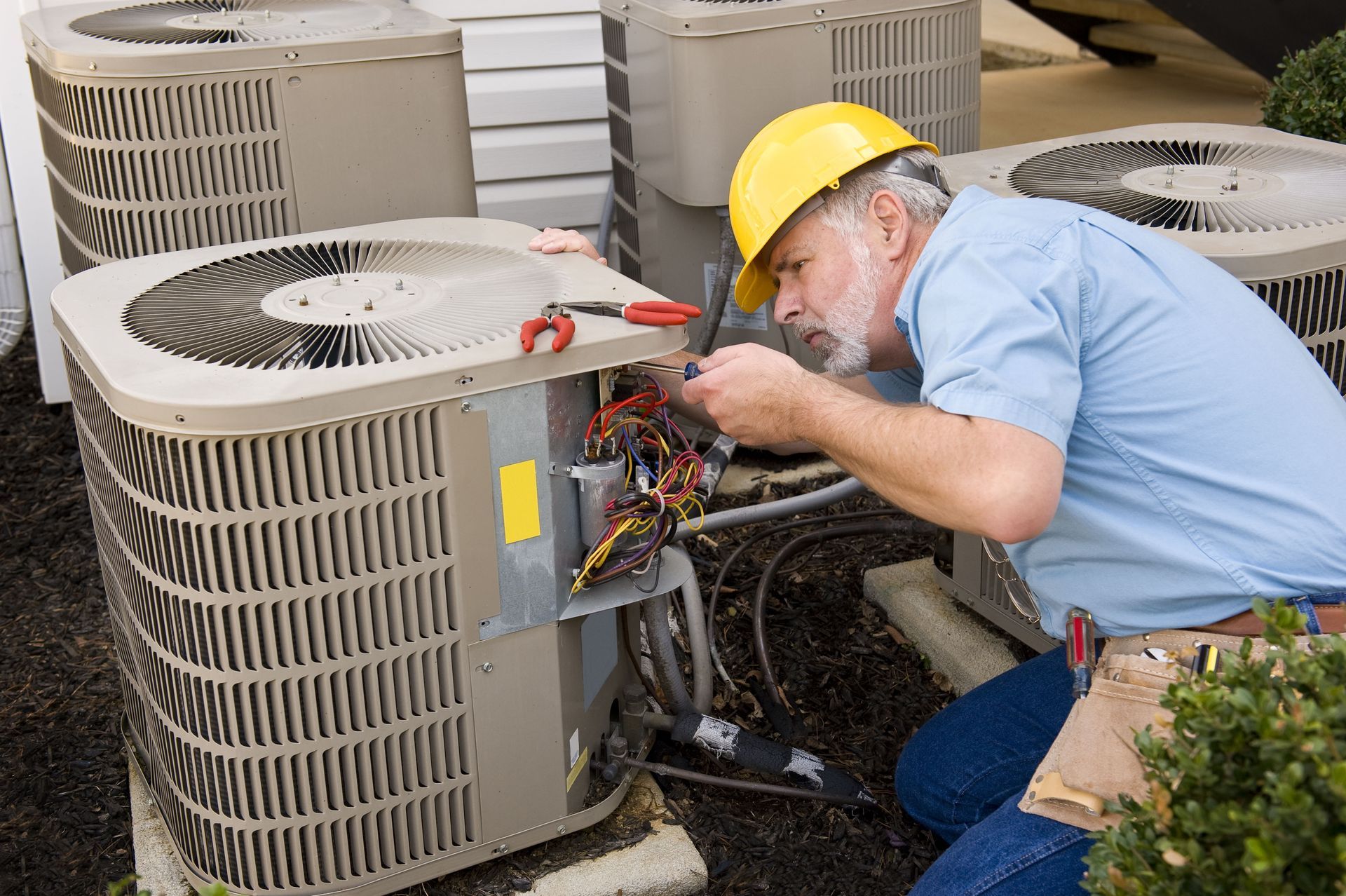
Safety is perhaps the most overlooked aspect of a cooling project. These systems require high-voltage electrical connections and, in some cases, modifications to the home's breaker panel. A subpar air conditioning installation can result in loose wiring, improper grounding, or overloaded circuits, all of which pose a significant fire hazard. Professionals ensure that all wiring meets local building codes and that the system is equipped with the necessary disconnects for emergency servicing.
Additionally, units that utilize combustible refrigerants or are paired with gas furnaces require expert handling of gas lines and exhaust venting. Carbon monoxide leaks and refrigerant gas leaks are silent but deadly risks that are almost entirely preventable through rigorous, high-quality installation practices. When you hire a certified professional, you are paying for the peace of mind that your family is safe under your own roof.
Bridging the Gap in Modern Climate Comfort
While many take cooling for granted, it remains a luxury for a significant portion of the population. According to the United States Census Bureau, around 11-12% of U.S. households have no air conditioning at all. For those who are moving from a home without climate control to one with it, or for those upgrading an old system, the impact on quality of life is profound. It improves sleep, increases productivity for those working from home, and provides a literal refuge during extreme weather events.
Because such a large segment of the population still lacks this technology, those who do have it should treat it with the respect its value deserves. Ensuring a proper air conditioning installation is the best way to honor that investment. It transforms a house from a simple shelter into a controlled, comfortable environment where the outside elements are kept firmly at bay.
The importance of a high-quality cooling setup cannot be overstated. It is the defining factor that determines whether your home will be a sanctuary of cool air or a source of constant mechanical frustration. By focusing on energy efficiency, system longevity, and safety, a professional air conditioning installation provides a return on investment that far exceeds its initial cost.
Are you ready to experience the difference that a professional setup can make? Contact our certified HVAC specialists at Sunshine Air of Charlotte County, Inc today to schedule your consultation and ensure your home stays cool all summer long!